
Why Students Need More Sleep Than They Think; And How to Fix Their Sleep Schedule

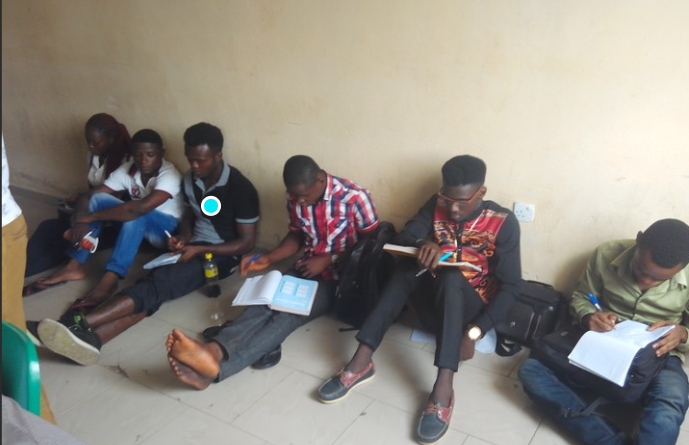
If you’ve ever sat in class blinking like your eyes were about to shut down, fighting sleep during lectures, or rereading the same sentence ten times without understanding it, you’re not alone. University life is chaotic; early-morning lectures, late-night assignments, noisy hostels, endless deadlines, and a social life you’re somehow still trying to maintain. In the middle of all that, sleep becomes the first thing students sacrifice.
Most students treat sleep like something optional, something you can borrow from today and “refund” on the weekend. But the truth is simple: you need more sleep than you think, and the lack of it is affecting your grades, mood, memory, and even your health. Most students think 4 or 5 hours is enough as long as they drink coffee or take a nap later. But young adults need 7–9 hours of uninterrupted sleep every night.
Let’s break down why quality sleep is one of the most powerful tools you have as a student and how you can fix your sleep schedule without turning your life upside down.
Why Sleep Matters More Than Students Realize
Sleep fuels your brain
While you’re asleep, your brain is busy sorting out everything you learned during the day. This process is called memory consolidation, and it’s basically your brain saying, “Let me file these things properly so you don’t forget them tomorrow.”
If you don’t sleep well, you literally forget things faster. Even if you studied hard, the information won’t stick. Sleep improves focus and learning
Have you noticed how everything feels harder when you’re tired? Simple topics suddenly look complicated. You read slower. You understand less. You make more mistakes.
That’s because sleep deprivation weakens your attention span and reaction time. A rested student can understand in one hour what a tired student might struggle with for three.
Sleep affects your mood
When you’re running on little sleep, small stress feels huge. You get irritated easily, feel anxious, or suddenly lose motivation.
Good sleep keeps your emotions stable and helps you handle academic pressure without breaking down. Sleep affects your health.
Poor sleep weakens your immune system. That’s why students who sleep late and wake early fall sick more often. Lack of sleep also affects your appetite, hormones, skin, and energy level.
If you want glowing skin, better energy, and a stronger immune system, sleep is cheaper than skincare and vitamins.
Why Students Struggle with Sleep
Busy and unpredictable schedules
Morning lectures, group assignments, practicals, and sudden tests make it hard to maintain a stable routine. Add hostel noise and shared rooms, and sleep becomes a challenge.
Phone addiction
Many students plan to sleep by 11 pm, but one “last scroll” turns into two hours on TikTok, Instagram, or WhatsApp. Before you know it, it’s 2 am.
Too much caffeine
Coffee, fizzy drinks, energy drinks, and even late-night tea can make it harder to fall asleep.
Academic pressure
The culture of “Studying Till Day Break” makes students think all-nighters are normal. They’re not. They damage your memory and make you less productive the next day.
Poor habits
Eating heavy food late at night, studying on the bed, sleeping with bright lights on, and using your phone in bed all confuse your brain and delay sleep.
How to Fix Your Sleep Schedule (Realistic Tips for Students)
1. Choose a sleep window
Pick a time you want to sleep (for example, 10:30 pm or 11:30 pm) and a fixed wake-up time. Stick to it every day, including weekends. Your body loves routine; it helps build your body alarm.
2. Reduce phone use before bed
Scrolling wakes up your brain. Give yourself a 30–45-minute “no screen” rule before bed.
Tips that work:
Keep your phone across the room.
Use Do Not Disturb mode.
Read a book or journal instead of doom scrolling.
3. Create a calming pre-sleep routine
It helps signal your brain that it’s time to rest.
You can try soft music, stretching, skincare, praying or journaling, reading a chapter of a book, etc. Your brain associates such activity with rest, and it becomes easier to go to sleep.
Avoid studying right before bed; it activates your brain instead of relaxing it.
4. Control lights
Bright light in the morning wakes you up. Dim light in the evening helps melatonin (the sleep hormone) rise. If your hostel room is bright at night, you can try: a sleep mask, covering windows with a scarf, switching off overhead bulbs and using bedside lamps instead
5. Limit caffeine after 4pm
Caffeine stays in your system for hours, so that evening Coke or coffee can ruin your sleep.
Replace with water, smoothies, milk, herbal tea, etc.
6. Make your space sleep-friendly
Keep your sleeping area clean and comfortable. If your hostel is noisy: use earplugs, play white noise or soft music, let your roommates know your sleep time if possible
7. Avoid long daytime naps
Long naps confuse your body clock. If you must sleep, keep it short; 20 to 30 minutes only.
8. Fix late-night eating habits
Heavy meals delay sleep because your body is still busy digesting.
Go for: fruit, yogurt, tea or just water.
9. Stop relying on all-nighters
You don’t need them with the right study habits. Techniques like Pomodoro, active recall, and spaced repetition help you study earlier and smarter.
Sleep isn’t weakness, it’s not laziness. It’s not something you “sacrifice” for success. For students, sleep is a weapon. It sharpens your mind, protects your mental health, and keeps your body functioning at its best.
Start small. Choose one habit today; maybe reducing phone time before bed or sleeping 30 minutes earlier. Your mind and body will thank you.