
Why Students Procrastinate and How to Stop: A Practical Guide That Actually Works


Procrastination is one of those things everyone jokes about, but deep down, most students know it’s slowly messing with their life. You’ll tell yourself you only want to check Instagram for “five minutes,” and suddenly thirty minutes disappears. You’ll promise to start your assignment at 8 p.m., and by the time you finally sit down, it’s midnight and your eyes are heavy. Then you rush through everything, submit something you’re not even proud of, and promise yourself you’ll do better next time. But somehow, next time looks exactly the same.
If this feels familiar, you’re not alone. Procrastination is common among students, and it’s not because you’re lazy or irresponsible. Most times, there’s something deeper going on. The good part is that once you understand why your brain keeps delaying things, you can actually fix it and even enjoy the process of studying without the guilt.
Why Students Really Procrastinate
People often say procrastination is caused by laziness, but that’s not true. Students procrastinate because of a mix of emotions, habits, and stress. Let’s break it down in a way you can actually understand.
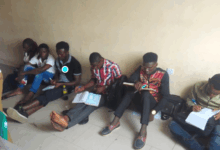
1. The task looks too big
Sometimes an assignment feels too heavy before you even start. Your brain sees a mountain instead of a simple step. So instead of facing it, you avoid it. For example, a 10-page report sounds terrifying at first, but if you split it into little sections like introduction, main points, and conclusion, suddenly it’s doable.
2. Fear of failure
A lot of students avoid starting because they’re scared the work won’t be “good enough.” You want it to be perfect, so you delay until the last minute. That’s why some students spend hours just “thinking about” starting their essay instead of actually opening a document and writing the essay. This perfectionism looks like procrastination, but it’s really fear in disguise.
3. No structure
Without a timetable, priority list, or clear plan, distractions always win. When you open your laptop to “study,” your brain naturally drifts to YouTube, Twitter, or binge watching a random series on Netflix. Structure isn’t about rigidity; it does not confine you, rather it’s about guiding your brain, so it doesn’t wander.
4. Phones and digital distractions
Social media is engineered to trap attention. Notifications, short videos, memes, trends, they all pull you away from your tasks. Even “just checking your messages” can easily eat up hours. Most students underestimate how much their phones silently control their time.
5. Low energy and burnout
It’s hard to focus when you’re tired, hungry, or mentally exhausted. When you’re running on three hours of sleep and a bowl of instant noodles or just biscuits, even small tasks feel insurmountable. Your brain avoids work as a form of self-preservation.
6. The false belief that “I work better under pressure”
Some students convince themselves that last-minute work is their superpower. But deep down, you know the truth: you’re stressed, your work suffers, and your mind never rests. It’s survival mode, not productivity.
How to Stop Procrastinating: Tips That Actually Work
You don’t have to restart your life overnight. Small, consistent habits can make a huge difference. Here’s how:
1. Break the task into tiny doable steps
Instead of saying “I will study Biology today,” break it down into micro-tasks:
Open your notebook
Read chapter one
Write a summary
Solve five exercises
When the task is manageable, starting it is much easier.
2. Use the 2-minute rule
Anything that takes less than two minutes? Do it immediately.
Open your textbook.
Reply to that school email.
Arrange your study table.
Once you start, momentum kicks in and you often continue without realizing it.
3. Try structured study techniques
Structured methods make studying less painful, you can try:
Pomodoro Technique: Study 25 minutes, rest 5 minutes. After four cycles, take a longer break. It prevents burnout.
Active Recall: Instead of rereading notes, quiz yourself or summarize from memory.
Spaced Repetition: Review material multiple times over days instead of cramming the night before.
Task Batching: Group similar tasks together. For example, do all assignment writing in one sitting, then tackle quizzes in another.
Even just trying one of these methods can make a massive difference.
4. Make your phone boring while studying
You don’t need to delete your apps, but you can control them:
Turn off your notifications
Move distracting apps away from your home screen
Use “Do Not Disturb” mode
Keep your phone in another room if possible
Distraction-free study time is more productive than double the hours glued to your desk with your phone nearby.
5. Create a simple study routine
Pick a time when your brain feels most alert and stick to it. Whether it’s 7 p.m. after dinner, 9 a.m. on weekends, or 3 p.m. after classes, consistency trains your brain to focus naturally.
6. Reward yourself
Motivation grows when you pair work with rewards. Study for 45 minutes, then scroll TikTok for 10 minutes. If you complete an assignment, then you can enjoy a small treat.
This helps you build positive reinforcement instead of guilt-driven work.
7. Sleep and energy matter
Never underestimate the power of sleep. Poor sleep makes your brain sluggish and less motivated. Energy fuels productivity. A well-rested student works smarter, not harder.
How to Build an Anti-Procrastination Routine
Plan your day the night before: List your top three tasks and estimate how long each will take.
Weekly reset: Review your notes, organize your tasks for the week, and declutter your space.
Clean study space: A tidy desk reduces mental clutter and improves focus.
Accountability buddy: Pair with a friend to check in on progress and encourage consistency.
Finally, procrastination isn’t a flaw or a sign of laziness. It’s your brain protecting itself from stress, overwhelm, or fear. Understanding why you procrastinate is the first step to breaking the cycle.
You don’t need to become “a perfect student.” You just need a system that works for you. Productivity isn’t about burning out. It’s about working smarter, respecting your energy, and building habits that stick.
So next time you feel the urge to scroll, instead pause and ask yourself: “Which small step can I take right now?” That’s all it takes to finally break free from procrastination.