

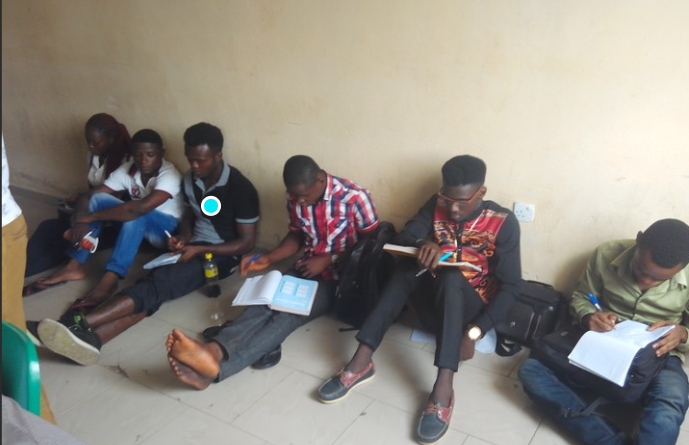
If you’re a Nigerian student, you already know the routine. Wake up at dawn, drag yourself to lectures, fight sleep in class, struggle with assignments, hustle for a seat in the reading room, and still squeeze in time to cook something that isn’t noodles or rice again. In the middle of all that, “leisure” sounds like something only rich kids or people on holiday talk about.
But here’s what nobody really tells students: the right kind of leisure doesn’t distract you from school. It actually helps your brain work better. Simple activities you enjoy can boost your memory, sharpen your focus, increase your energy, and make school stress feel lighter. You can enjoy yourself and still be productive at the same time.
Let’s break down some small things you can start doing that will recharge your mind.
Move Your Body, Wake Up Your Brain

You don’t need a gym membership or a full fitness routine. Even small movements can switch your brain from “sleep mode” to “awake.” Most students underestimate how much physical activity affects concentration.
Stretch when you study
Most of us sit for hours, especially during exam season. After a while, your body gets stiff and your brain slows down. A five-minute stretch break, some arm circles, or even a few jumping jacks can bring your energy back immediately. It’s like giving your brain a quick boost.
Dance in your room
This one works every single time. Ten minutes of vibing to your favorite Afrobeats playlist can change your whole mood. It wakes you up, reduces stress, and honestly makes studying easier afterward.
Get some sunlight
A fast walk around campus or a short morning jog does more than exercise your legs. Sunlight helps regulate your sleep cycle, which means better quality sleep at night and more alertness during the day.
Even 20–30 minute evening walks can help clear your mind and make your lecture notes click faster.
Get Creative: Let Your Brain Play
Scrolling through TikTok doesn’t count here. Leisure that boosts the brain involves activities that make you think, imagine, or express yourself.
Doodle or sketch
You don’t need to be a professional artist. Even simple patterns or stick figures help your brain relax. It’s a calm activity that improves focus without you even noticing.
Write something small
This could be journaling after a long day, writing a short poem, or even creating a funny story about your lecturer’s attendance wahala. Writing helps with memory, clarity, and emotional balance.
Try small creative skills
Take random pictures around campus, practice basic graphic design, make short aesthetic videos, try new hairstyles, or experiment with color combinations. Creative activities wake your brain up in a very refreshing way.
Play games that challenge you
Chess, Scrabble, card games, or even fast-paced video games push you to think, calculate, and react quickly. They sharpen your mind while still being fun.
Fun study groups
Try debates, quick quizzes, study challenges, or explaining topics to each other. You’d be surprised how much information sticks when you’re laughing and learning at the same time.
Join a campus club
Drama, dance, music, debate, coding, photography, anything that piques your interest. Clubs expose you to new ideas, new friends, and new ways of learning.
Meditation or deep breathing
Five to ten minutes of quiet breathing can calm your nerves and reset your focus, especially during exam weeks.
Listen to music or podcasts
Light music or a podcast during a break gives your mind something refreshing to chew on. It helps you return to your book calmer and more collected.
Take a proper nap
A short nap of 20–30 minutes can completely reset your system. You wake up clearer and more capable of absorbing information. All-night study marathons feel productive, but your brain doesn’t retain as much.
That whole mindset of “students must suffer to succeed” is outdated. Smart students rest intentionally. They move, create, play, socialize, relax, then study with more energy and clarity.
Leisure isn’t laziness. It’s a strategy to relax. You don’t have to stress yourself, start small.
Pick one or two activities you enjoy.
Maybe a quick stretch while studying, a short journal entry at night, a daily walk after class, or a weekly board game with friends.
Over time, you’ll notice you’re calmer, more focused, and your brain works better for you.